 Stylino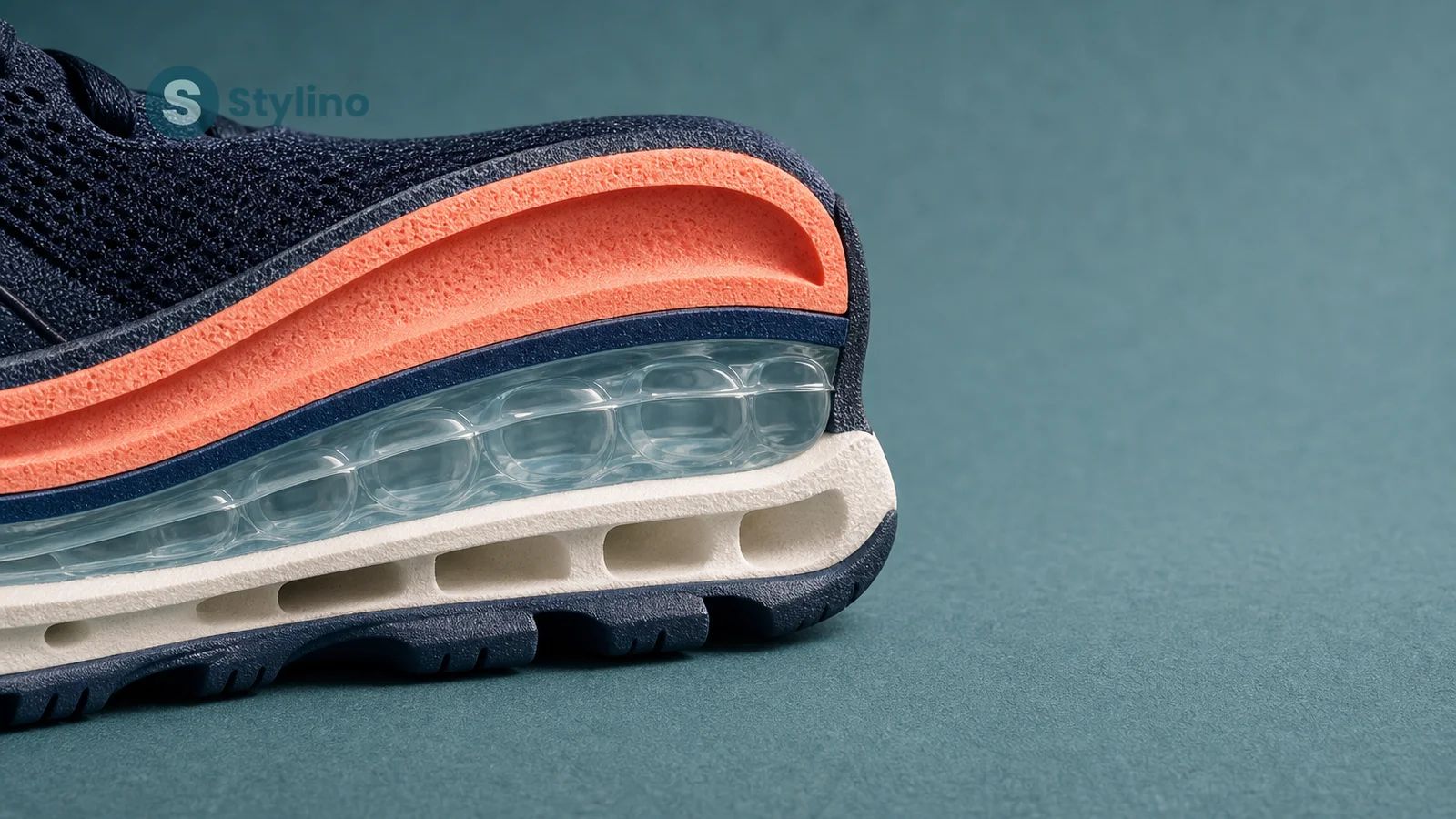
ASICS GEL & FlyteFoam Technology Explained
Ask most people what ASICS GEL is and they will point at the little translucent window in the heel of an old pair. Reasonable guess — and now wrong. The gel you can see was mostly marketing; the gel that matters is hidden, and it has quietly become one of the best shock absorbers in running. Here is what is actually going on inside an ASICS shoe, in plain language.
Understanding this helps you buy better. Once you know what FF BLAST does versus AmpliFoam, the model names in the ASICS running shoes range stop being noise and start telling you how a shoe will feel.
What GEL actually does
GEL is ASICS' signature cushioning: a silicone-based shock-absorbing material placed in the midsole to soften impact, especially at the heel where you land hardest. The original visible GEL units date back to the late 1980s and defined the brand for a generation.
The modern version is PureGEL, and it is a real upgrade. According to RunRepeat's lab testing, PureGEL is roughly 65% softer than the classic gel and returns a little more energy — and ASICS now tucks it inside the midsole, under the heel, rather than showing it off through a window. You feel it; you no longer see it. That switch confuses a lot of returning buyers, so it is worth knowing.
The FlyteFoam family
GEL handles impact; foam handles the ride. ASICS' foam lineup is where the personality of each shoe comes from, and there are four names worth knowing:
- AmpliFoam — the firm, stable, durable base foam. Reliable rather than exciting.
- FlyteFoam — lighter and softer than AmpliFoam, the workhorse midsole for everyday trainers.
- FF BLAST / FF BLAST+ — bouncier, more energetic foam used in shoes like the Novablast and Nimbus for a livelier ride.
- FF BLAST Turbo — the light, firm, highly responsive foam reserved for racing and fast shoes.
As a rule of thumb: the more "BLAST" in the name, the springier the shoe.
The 4D Guidance System
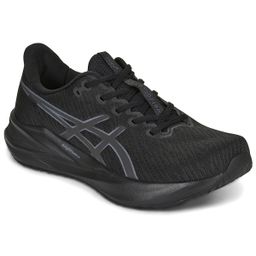
Stability shoes used to correct overpronation with a hard plastic wedge on the inner side — effective but harsh. ASICS' 4D Guidance System, highlighted in its official shoe-choosing guide and found in the GEL-Kayano, does the job more gently: a support structure plus firmer foam on the medial side that guides the foot back toward neutral without the brick-underfoot feeling. It is the reason modern Kayanos feel plush and supportive at the same time, a combination that used to be a contradiction.
ASICSGRIP and AHAR outsoles
The bit that touches the ground matters too. AHAR (ASICS High Abrasion Rubber) is the durable rubber ASICS places in high-wear zones so the outsole lasts. ASICSGRIP is the grippier compound used on racing and trail shoes where traction beats longevity. If a shoe needs to survive a Cyprus winter of wet pavements and the occasional Troodos trail, the outsole compound is worth a glance.
Which tech matters for which runner
You do not need to memorise the chemistry — you need to map it to your runs. Neutral runner chasing comfort? Look for PureGEL plus FF BLAST+ (that is the Nimbus recipe). Overpronator? The 4D Guidance System is what you are paying for in a Kayano. Value-focused daily miles? AmpliFoam and FlyteFoam do the job for less. We turn all of this into concrete model picks in our best ASICS running shoes finder.
Frequently asked questions
Is ASICS GEL still real gel?
Yes. Modern shoes use PureGEL, a softer silicone-based shock absorber hidden inside the midsole under the heel. You no longer see a visible window, but the cushioning material is still there — and softer than the old visible version.
What is FlyteFoam?
FlyteFoam is ASICS' family of lightweight midsole foams. The line runs from firmer, durable AmpliFoam up to the bouncy FF BLAST+ and the fast, firm FF BLAST Turbo used in racing shoes.
Does PureGEL wear out?
Like any midsole material it compresses over time, but PureGEL is durable and the bigger wear factor is usually the foam and outsole. Most runners replace shoes on total mileage (roughly 600–800 km) rather than gel failure.
Is ASICS GEL better than Nike Air?
They solve the same problem differently — GEL is a silicone shock absorber, Air is pressurised gas. Neither is universally "better"; ASICS tends to feel more grounded and stable, which is why it is trusted for daily training and stability shoes.
Read next
- Best ASICS Running Shoes 2026: Neutral vs Stability Finder
- ASICS Gel-Kayano vs Gel-Nimbus
- The Story of ASICS
Want to feel the difference yourself? Compare models and live prices for ASICS shoes in Cyprus.