 Stylino
Dr. Martens Vegan Collection: Same Attitude, Zero Leather
Dr. Martens built its reputation on leather. Thick, stiff, Smooth leather that punishes your feet for two weeks before surrendering to their shape. So when the brand launched a full vegan line using synthetic materials, plenty of people assumed it was a watered-down compromise. A marketing exercise. Fashion greenwashing.
They were wrong. The vegan collection keeps the AirWair sole, the Goodyear welt construction, the yellow stitching, and the grooved heel loop. What it drops is animal hide. What it gains is zero break-in time, which alone makes it worth serious consideration.
On Stylino, over 180 Dr. Martens products are tracked from five retailers that ship to Cyprus. Not all are explicitly labelled vegan on the retailer listings, but understanding the vegan line helps you shop smarter, especially if you're after the DMs look without the DMs break-in.
The Vegan Philosophy: Lost the Leather, Kept the Attitude
Dr. Martens summarises its vegan approach with a phrase that deserves credit for honesty: "lost the leather, kept the attitude." According to the official vegan collection page, every vegan model uses 100% non-animal materials across upper, lining, sole, and adhesives.
This isn't a capsule collection tucked into a corner of the website. The vegan range mirrors the most popular silhouettes: 1460 boot, 1461 Oxford, 2976 Chelsea, Adrian loafer, Blaire sandal, and several platform variants. If it exists in leather, chances are a vegan version exists too.
The construction remains identical. Goodyear welted, heat-sealed at 700°C, fitted with the same AirWair sole that Klaus Märtens designed in 1945. Only the material changes.
Materials Explained: Felix Rub Off, Oxford, and Oxford Brush
Three synthetic materials cover the vegan range, and they look different enough from each other that it's worth knowing what you're choosing.
Felix Rub Off is the workhorse. It's a durable synthetic designed to mimic the matte finish of Smooth leather. The "rub off" name comes from a two-tone effect: the base coat shows through when the surface layer wears, creating a lived-in patina over time. Felix Rub Off is what you'll find on most vegan 1460s and 1461s.
Oxford is the high-shine option. If you want vegan DMs that look like polished leather, this is the material. Sleek, reflective, closer to patent leather in appearance. The trade-off is that it shows scuffs more readily than Felix Rub Off.
Oxford Brush splits the difference. It has a two-tone cherry-red finish that mimics the classic Cherry Red Smooth leather DMs, with a brushed surface that catches light at different angles. Less common than Felix Rub Off but striking when you find it.
All three synthetics are lighter than genuine Smooth leather. According to Dr. Martens support documentation, the vegan materials maintain comparable durability to leather equivalents under normal wear conditions, though they won't develop the same deep creasing pattern that aged Smooth leather acquires.
How to Identify Vegan Dr. Martens
The tell is on the heel. Vegan Dr. Martens feature a yellow heel loop instead of the standard black one. It's subtle enough that most people won't notice unless they're looking, but it serves as a quick visual identifier for anyone who knows.
Beyond the heel loop:
- Product names include "Vegan" or the material name (Felix, Oxford)
- The insole is non-leather
- The lining is textile rather than leather
- Care instructions omit Wonder Balsam (which contains beeswax)
When shopping on retailers that ship to Cyprus, the "vegan" label doesn't always appear in the product title. If you're specifically after the vegan version, check the material description in the product details. Felix Rub Off in the materials list confirms you're looking at the vegan model.
Available Vegan Models
The vegan line covers the silhouettes that matter most. Here's what exists and why each one works.
1460 Vegan. The classic 8-eyelet boot in Felix Rub Off. Same proportions, same silhouette, same yellow stitching. The difference you feel immediately: no break-in. Where a leather 1460 needs one to three weeks of thick-sock sessions and Wonder Balsam, the vegan version is comfortable from day one. For anyone who's abandoned a pair of new DMs after three painful outings, this matters.
1461 Vegan. The 3-eyelet Oxford shoe. Lower profile, smart-casual versatile. Works for offices and classrooms where boots feel like too much. Pairs well with chinos or rolled-up jeans.
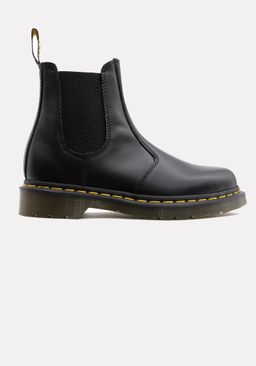
2976 Vegan. The Chelsea boot. Elastic side panels, pull-on design, no laces. Already the easiest DMs silhouette to wear, and in vegan form there's genuinely nothing standing between you and instant comfort.
Adrian Vegan. The tassel loafer with double tassels, kiltie fringe, and mod heritage. The Adrian loafers guide covers the full range, but the vegan Adrian deserves special mention as one of the most style-forward DMs options with zero animal products.
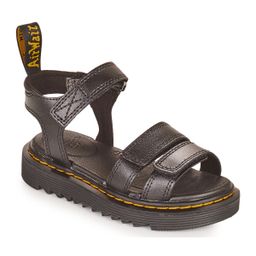
Blaire Vegan. The strappy sandal, and for Cyprus summers specifically the most practical vegan DM. Chunky AirWair sole, adjustable buckle straps, open design for breathability. Comfortable in the 35°C heat of a Nicosia July in a way that no boot could manage.
Vegan vs Leather: The Honest Comparison
Let's be direct about what changes and what doesn't.
Break-in: Leather DMs need 1–3 weeks. Vegan DMs need zero. This is the single biggest functional advantage of the vegan line, and for many buyers it's the deciding factor. The break-in guide exists for a reason: Smooth leather 1460s are notorious. Vegan versions skip that entire chapter.
Durability: Leather DMs, properly maintained with Wonder Balsam, can last a decade or more with resoling. Vegan synthetics are durable under normal conditions, but they won't develop the character of aged leather. After three to four years of heavy daily wear, synthetic uppers may show surface cracking where leather would show creases. For occasional or regular (not daily) wear, both materials hold up comparably.
Care: Leather DMs need monthly Wonder Balsam treatment, which itself isn't vegan (it contains beeswax and lanolin). Vegan DMs need a damp cloth. That's it. No special products, no conditioning routine, no anxiety about forgetting maintenance.
Ageing: This is where leather genuinely wins. Smooth leather DMs develop a patina and soften with wear, acquiring a personality unique to your pair. Felix Rub Off develops its own two-tone effect, but it's a different kind of character. If the lived-in look of well-worn leather matters to you, the vegan line won't replicate it exactly.
Weight: Vegan models are marginally lighter. Over a full day walking Limassol or Paphos, your feet might thank you.
Styling Vegan DMs
Here's what matters most for styling purposes: nobody can tell. At arm's length, a vegan 1460 in Felix Rub Off looks identical to its Smooth leather counterpart. The yellow stitching is the same. The sole is the same. The proportions are the same. The only giveaway is the yellow heel loop, and you'd need to be staring at someone's ankles to spot it.
That means every outfit combination that works with leather DMs works with vegan DMs. The styling guide covers this thoroughly: 1460s with floral dresses for feminine contrast, Chelseas with tailored trousers for smart-casual settings, platforms with cargo pants for streetwear edge.
What the vegan line adds is conversational value. Wearing DMs that are 100% animal-free is a statement that goes beyond aesthetics. In Larnaca's emerging eco-conscious café scene, I've noticed more people asking about vegan alternatives in fashion over the past two years. The demand isn't massive, but it's real, and it's growing.
Browse women's Dr. Martens styles or check the full Dr. Martens catalogue on Stylino to compare options.
Price Comparison: What Vegan DMs Actually Cost
The pricing surprise is that there isn't one. Dr. Martens prices its vegan models at the same recommended retail as their leather equivalents. A vegan 1460 costs the same as a leather 1460. A vegan Adrian costs the same as a leather Adrian.
On Stylino, Dr. Martens prices from retailers that ship to Cyprus currently range from €69 for kids' and platform models to €230 for premium women's boots. Men's ankle boots (1460 style) start around €147 from Silenzio, and women's boots range from €175 to €218 via Mybrand.shoes.
The cost-per-wear calculation slightly favours leather if you're a daily wearer who resolves (10+ year lifespan vs 4–5 for synthetics). For everyone else, the maths is roughly equivalent. And if you factor in the Wonder Balsam you won't need to buy, the vegan line inches ahead by a few euros per year.
Vegan Options on Stylino
Retailers tracked on Stylino don't always separate vegan models from leather in their filters. To find vegan pairs, check the material description for "Felix Rub Off" or "synthetic" in the upper material, and confirm the product image shows a yellow heel loop.
Spartoo, Mybrand.shoes, and Silenzio all carry Dr. Martens with delivery to Cyprus. Price comparison across all three can reveal savings of €30–€50 on the same model. A Stylino price alert notifies you when a vegan model drops without checking every retailer manually.
Shop Vegan-Friendly Dr. Martens on Stylino
Whether you're choosing vegan for ethical reasons, for the zero break-in convenience, or simply because Felix Rub Off happens to look good, the DMs vegan collection delivers the brand's full aesthetic without the animal products. Same yellow stitching, same AirWair sole, same subcultural credibility.
Compare all Dr. Martens prices on Stylino →
Not sure about sizing? The size guide covers UK-to-EU conversion and fit tips for every model, vegan included.
Frequently Asked Questions
What is Felix Rub Off material?
Felix Rub Off is Dr. Martens' primary vegan synthetic material. It mimics the matte finish of Smooth leather and features a two-tone construction where the base colour shows through as the surface layer wears over time. It's durable, lightweight, and requires no conditioning or special care products.
Do vegan Dr. Martens last as long as leather?
Under regular wear (3–5 days per week), vegan DMs hold up comparably to leather for 3–4 years. With daily heavy use, leather models outlast synthetics because Smooth leather can be resoled and develops flexibility with age. For most people who aren't wearing the same pair every single day, vegan versions perform well.
Do vegan Dr. Martens need a break-in period?
No. This is the biggest practical advantage of the vegan line. Synthetic materials like Felix Rub Off are flexible from the first wear. No thick socks, no Wonder Balsam, no two-week endurance test. They're comfortable immediately.
How can I tell if Dr. Martens are vegan?
Look for the yellow heel loop on the back of the boot or shoe. Leather models have a black heel loop. Additionally, check the product description for material names like "Felix Rub Off," "Oxford," or "synthetic." The insole and lining on vegan models are also non-leather.