 Stylino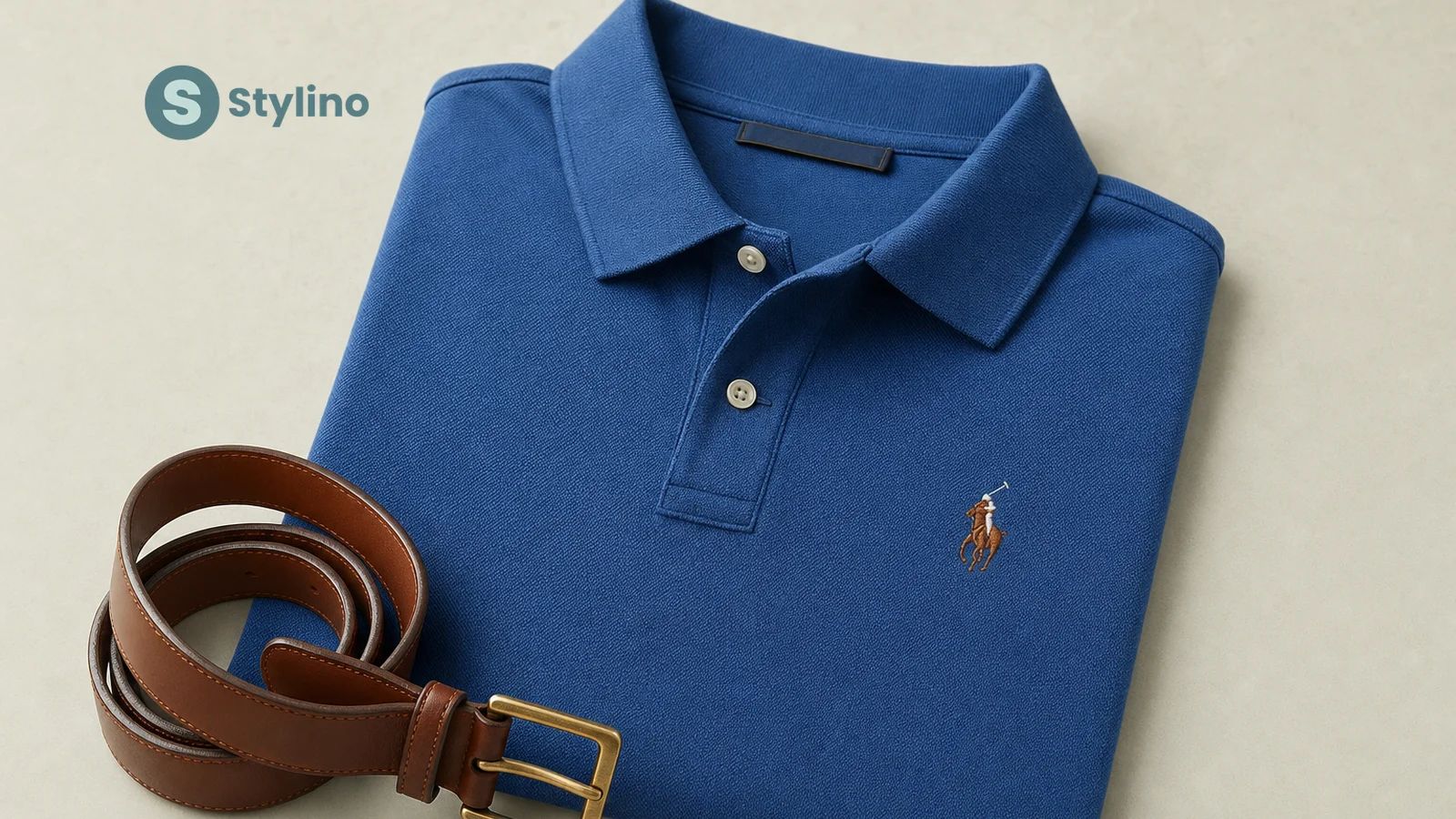
How to Spot Fake Ralph Lauren: 7 Authentication Checks
Polo Ralph Lauren is one of the most counterfeited fashion brands on the planet. The polo shirt alone accounts for millions of fakes circulating through online marketplaces, social-media sellers, and pop-up stalls every year. According to LegitGrails, Ralph Lauren consistently ranks among the top five most-replicated brands in the preppy sportswear tier.
If you're shopping for Polo Ralph Lauren online and delivery is heading to Cyprus, knowing how to verify authenticity protects your wallet and your wardrobe. Here are seven checks you can do at home, no authentication service required.
Why Fakes Are So Common
Ralph Lauren's brand recognition is enormous. The polo player logo is identifiable worldwide, and the brand's price point sits in a sweet spot that makes counterfeiting profitable: high enough to justify faking, accessible enough to create mass demand.
The most commonly counterfeited items include polo shirts (by far the top target), belts, baseball caps, and bags. Counterfeiters focus on these because they're high-volume, logo-driven pieces where a convincing logo alone can fool buyers.
The problem intensified with the explosion of social-media shopping. Instagram and Facebook marketplace sellers move thousands of fake Ralph Lauren items monthly. Even established resale platforms require scrutiny. A genuine Ralph Lauren polo shirt from retailers that ship to Cyprus typically costs €80–€135 depending on the fit and retailer. If someone's offering one for €25, that's not a deal; that's a red flag.
The 7-Step Authentication Check
Step 1: Scan the QR Code
Since 2020, most Polo Ralph Lauren garments carry a Digimarc QR code printed on the care label. Use your phone camera to scan it. A genuine code redirects to q-rl.us — Ralph Lauren's official product verification domain. If the QR code leads nowhere, to a random website, or is simply absent from a recently-manufactured item, that's your first warning sign.
Not all older (pre-2020) pieces have QR codes, so absence alone doesn't confirm a fake on vintage items. But for anything labelled SS21 or later, expect one.
Step 2: Check the Embroidery
The polo player logo should look three-dimensional and raised. On a genuine shirt, you can feel the embroidery with your fingertip — it sits above the fabric surface. The horse's tail, the rider's mallet, and the rider's boot should be distinct and clearly separated.
Fakes typically produce a flat, screen-printed-looking logo where the horse appears blobby, the tail merges into the body, or the mallet looks like a single line. According to RewearableUK, embroidery quality is the single most reliable indicator for non-experts.
Step 3: Inspect the Collar Labels
Genuine Polo Ralph Lauren uses a fabric main label inside the collar with clean, crisp typography. The font should be consistent across the entire label. A separate size tag sits to the right of the main label, never stitched over it or sharing the same piece of fabric.
Look for the registered trademark symbol (®) next to "Polo" and "Ralph Lauren." Fakes often omit it or place it incorrectly. The label fabric itself should feel soft and smooth, not scratchy or papery.
Step 4: Examine the Buttons
Genuine Ralph Lauren polo shirts use mother-of-pearl buttons with a subtle natural sheen. They won't look like cheap plastic. The thread color holding buttons in place should match the shirt body color exactly. On a navy polo, expect navy thread; on white, expect white.
Fakes frequently use standard plastic buttons with visible mould lines or inconsistent thread colors. Run your nail across the button surface: genuine mother-of-pearl feels slightly cool and has a natural irregular texture.
Step 5: Look at the Hem
The "tennis tail" is a Ralph Lauren signature detail: the back of a genuine polo shirt hangs approximately 2–3 cm longer than the front. This dates back to the shirt's origins in racket sports, where a longer back prevented the shirt from untucking during play.
Counterfeit polos almost universally skip this detail and use a straight, even hem. If front and back are the same length on a supposedly genuine Classic Fit or Custom Slim Fit polo, something's wrong.
Step 6: Feel the Fabric
Cotton piqué mesh on a genuine Ralph Lauren polo has a specific weight and texture. It should feel substantial but breathable, structured enough to hold its shape but not stiff or scratchy. Pima cotton versions feel noticeably smoother and slightly heavier.
Fakes typically use thinner, lighter cotton that pills quickly. The piqué pattern on counterfeit mesh often looks irregular under close inspection, with uneven diamond shapes. Hold the fabric up to light: genuine mesh has a consistent, uniform pattern throughout.
Step 7: Check the Hang Tag
On new items, the hang tag provides one final verification point. Genuine tags use consistent font sizes, proper kerning, and include a barcode that, when scanned, should correspond to the correct product. Style codes follow a specific format (e.g., 710680784). Look for logical numbering rather than random digits.
Fakes often have off-centre printing on hang tags, inconsistent spacing, or barcodes that don't scan at all. The cardstock quality also differs: genuine tags feel thick and premium, while counterfeits use thinner card that bends easily.
Where Counterfeits Come Up Most
Polo shirts remain the primary target — they represent 44% of all Polo Ralph Lauren products tracked on Stylino, and an even higher percentage of counterfeits globally. Belts follow closely, particularly the reversible leather models, because a single logo stamp is easy to replicate. Baseball caps with the embroidered pony are another high-risk category.
The riskiest purchasing channels, in order:
- Social-media marketplace sellers: Facebook Marketplace, Instagram shops with no verified business address
- Unverified resale platforms: any platform without seller verification or authentication guarantees
- Pop-up market stalls: physical markets selling "overstock" at steep discounts
- Generic e-commerce with no brand authorization: shops that can't prove a supply-chain relationship with Ralph Lauren
Why Buying From Authorized Retailers Matters
On Stylino, every retailer in our network (Spartoo, Rodanos, Silenzio, Hionidis, Nugnes 1920, Tsakiris Mallas, Clodist, and BigBlu) maintains a direct or authorized distribution relationship with Polo Ralph Lauren. You're never getting third-party marketplace stock or items of uncertain provenance.
This matters because authentication is binary: either a garment is genuine, or it isn't. There's no "mostly authentic." When you buy through Stylino's tracked retailers that ship to Cyprus, the supply chain is verifiable. You pay the real market price (€52–€645 depending on the item), and you get the real product.
The 15–25% price variance across these retailers on identical items is simply competition: different margins, different sale calendars, different shipping cost structures. It's never a case of one retailer selling fakes at lower prices.
What to Do If You Bought a Fake
If you suspect a purchase is counterfeit, act quickly:
- Document everything: photograph the item, labels, tags, packaging, and the seller's listing
- Contact the seller: many platforms have buyer protection policies that mandate refunds for counterfeit goods
- File a platform dispute: PayPal, credit card chargebacks, and platform guarantees all cover counterfeit goods
- Report to Ralph Lauren: the brand maintains a counterfeit reporting system and takes enforcement action
- Know your rights: EU consumer protection law (which applies to purchases delivered to Cyprus) entitles you to a full refund for goods "not as described," which includes counterfeits
Living in Cyprus, you're covered by EU distance-selling regulations regardless of where the seller is based, provided the seller targets EU consumers. This is one more reason to shop through established retailers rather than anonymous social-media sellers.
How can I verify a Ralph Lauren polo shirt is real?
Use the 7-step check: scan the QR code on the care label (should redirect to q-rl.us), inspect the embroidery for 3D raised quality, check collar labels for clean typography and separate size tag, examine mother-of-pearl buttons, verify the tennis-tail hem, feel the cotton piqué weight, and check the hang tag for correct font and barcode.
Does Ralph Lauren have QR code authentication?
Yes. Since 2020, most Polo Ralph Lauren garments include a Digimarc QR code on the internal care label. Scanning it with any phone camera should redirect to q-rl.us, Ralph Lauren's verification platform. Pre-2020 items may not have this feature.
Where should I buy Ralph Lauren to avoid fakes?
Buy from authorized retailers with verifiable supply chains. On Stylino, all 8 tracked retailers (Spartoo, Rodanos, Silenzio, Hionidis, Nugnes 1920, Tsakiris Mallas, Clodist, BigBlu) are authorized channels that ship to Cyprus. Avoid unverified social-media sellers and suspiciously cheap listings.
What are the most commonly faked Ralph Lauren items?
Polo shirts are faked most frequently (especially the classic mesh polo with the pony logo), followed by belts (particularly reversible leather styles), baseball caps, and bags. These items are logo-driven and high-volume, making them profitable counterfeiting targets.
Read next
- our Ralph Lauren labels guide to understand the difference between Purple, Blue, Green & Outlet before you buy
- our Polo Ralph Lauren buying guide for the complete overview for Cyprus shoppers
- our polo shirt guide covering fits, fabrics, and how to choose your first one
Prices and availability on Stylino reflect live data from 8 retailers that ship to Cyprus. Shop with confidence: every product we track comes from an authorized channel.