 Stylino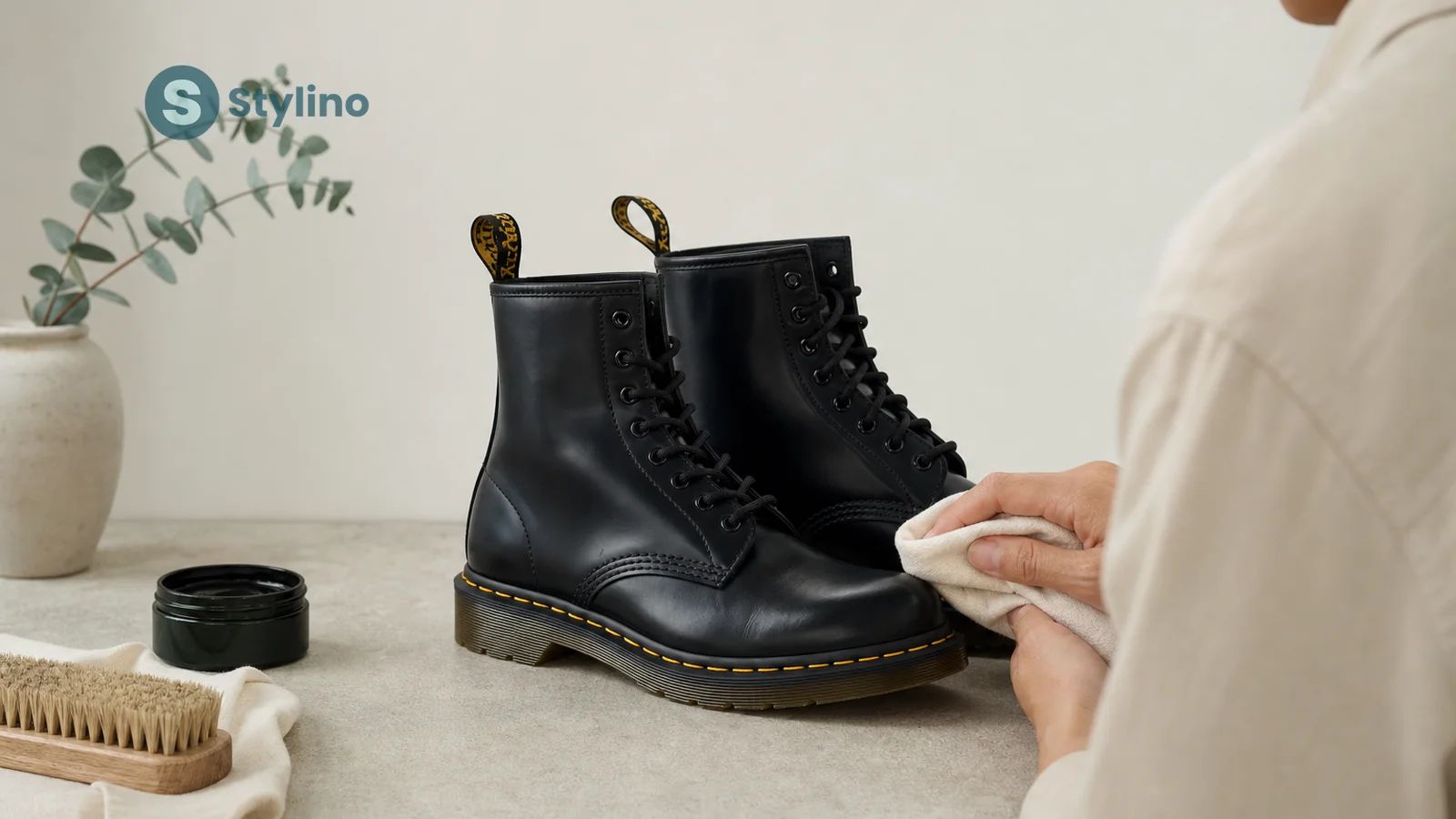
How to Clean & Care for Dr. Martens: Complete Guide
A pair of Dr. Martens boots can outlive most relationships. I've seen 1460s from the mid-90s that still look presentable after thousands of wears and two resoles. But skip the maintenance routine for six months and your Smooth leather will dry out, crack at the flex points, and age in all the wrong ways.
The good news is that DMs care is simple once you understand what leather type you're working with. Different materials need different treatment, and getting this wrong can actually cause more damage than doing nothing at all.
On Stylino, we track over 180 Dr. Martens products from five retailers that ship to Cyprus. Whether you paid €69 for entry-level platforms or €230 for premium ankle boots, the care principles remain the same.
Understanding Your Dr. Martens Leather Type
Not all DMs leather is created equal, and this matters more for care than most people realise.
Smooth leather is the classic. It's the thick, stiff material that covers most 1460s and 1461s, the stuff that causes the notorious break-in period and responds best to Wonder Balsam. If your DMs don't specify otherwise, you probably have Smooth.
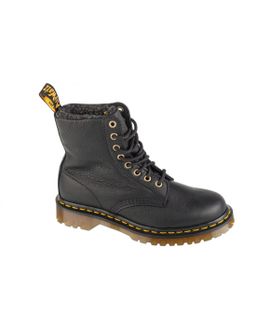
Virginia leather is softer from day one. Used on the Pascal line, it doesn't need break-in and has a more natural grain texture. Less stiff means less cracking risk, but it scratches more easily.
Nappa leather is the premium option with a finer grain. You'll find it on select Made in England models. Handle it gently.
Crazy Horse leather has a waxed, pull-up finish that shifts colour when you rub it. The wax moves, revealing lighter undertones underneath. This leather develops character on its own and needs minimal intervention.
Patent leather is the high-shine coated option. Striking to look at, but it plays by completely different care rules. No balsam, no standard polish. More on this below.
The Cleaning Process: Step by Step
Cleaning Dr. Martens isn't complicated, but the order matters. Rushing to the polish step on dirty boots just locks in the grime.
Step 1: Remove the laces
Take out the laces completely. Dirt collects around the eyelets and tongue, and you can't reach those areas properly with laces in place. Wash the laces separately with warm water and mild soap.
Step 2: Brush off loose dirt
Use a soft-bristle brush or dry cloth to remove dust, dried mud, and surface debris. Pay attention to the welt where the sole meets the upper. Dirt embeds itself along that yellow stitching and stays there until you dig it out.
Step 3: Wipe with a damp cloth
Dampen a clean cloth with lukewarm water. Wipe the entire upper, tongue, and heel counter. For stubborn marks, add a small amount of mild soap to the cloth. Don't soak the leather.
Step 4: Air dry completely
Let the boots dry at room temperature. Never place them near a radiator, never use a hair dryer, never leave them in direct sunlight. Heat dries out leather and causes cracking. If they're soaked through, stuff them loosely with newspaper to absorb moisture and help keep their shape.
Step 5: Apply Wonder Balsam
Once dry, scoop a small amount of Wonder Balsam with a clean cloth or your fingers. Work it into the leather using circular motions, focusing on creases, seams, the tongue, and any dry patches. A thin, even layer is enough. Let it absorb for 10 to 15 minutes.
Step 6: Buff to finish
Use a clean, dry cloth to buff the surface. This removes excess balsam and brings back the shine. For Smooth leather, you'll get a noticeable sheen. Virginia and Nappa will look more naturally conditioned than glossy.
Wonder Balsam: What It Actually Does
Wonder Balsam is Dr. Martens' proprietary conditioning product, and for Smooth leather it's the single most useful thing you can own. According to the official Dr. Martens care guide, it's a blend of coconut oil, lanolin, and beeswax.
Coconut oil softens the leather. Lanolin moisturises and helps waterproof it. Beeswax creates a protective barrier against dirt and moisture. Together, they condition dry leather, reduce cracking, help with break-in, and add a subtle water-resistant layer.
How often should you apply it? Monthly is the general recommendation for regular wear. In practice, adjust to your climate and how hard you wear them. Heavy winter use in wet conditions warrants more frequent application. Light summer wear on dry streets needs less. For most Cyprus-based wearers, once every five to six weeks is a reasonable baseline.
What Wonder Balsam should NOT be used on:
- Vegan DMs (Felix Rub Off, Oxford synthetics). It won't absorb and serves no purpose.
- Patent leather. It dulls the high-shine finish.
- Suede or nubuck. It stains and darkens the surface permanently.
- Genix Nappa. This material has its own protective coating that balsam interferes with.
Caring for Vegan Dr. Martens
The vegan collection uses synthetic materials that don't need conditioning or moisturising. Felix Rub Off, the main vegan material, won't dry out, crack from dehydration, or require monthly balsam treatment.
Care is refreshingly simple:
- Wipe with a damp cloth after wear
- Use mild soap for stubborn marks
- Air dry naturally (same "no heat" rule applies)
- That's it
No balsam, no polish, no fancy products. The Dr. Martens support page confirms that vegan materials maintain their appearance without conditioning.
The trade-off? Synthetics won't develop the patina that well-maintained Smooth leather acquires over years. If you love the deeply creased, lived-in character of aged DMs, that's a leather-only reward. But if low maintenance appeals to you more than leather patina, vegan wins.
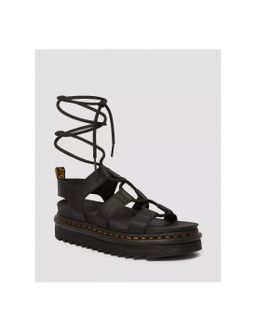
Patent Leather: The Exception to Every Rule
Patent leather DMs have a glossy, almost glass-like coating that looks incredible and scratches if you so much as glance at it sideways. Standard leather care products will cloud or strip that coating.
For patent models:
- Wipe with a damp cloth only
- Use a dedicated patent leather cleaner for scuffs (not Wonder Balsam)
- Avoid alcohol-based products
- Store away from other shoes, since contact transfers marks easily
Patent represents a small fraction of the DMs lineup, but if you own a pair, wrong handling is the fastest way to ruin them.
Protecting Dr. Martens in Cyprus Summer Heat
Cyprus summers push leather through conditions that English boot designers almost certainly didn't plan for. Pavement temperatures above 50°C, direct Mediterranean sun, and humidity swings between the coast and inland areas all affect leather differently.
Specific precautions worth following:
- Never leave DMs in a parked car. Dashboard temperatures in a Nicosia parking lot can exceed 70°C in July. Leather warps, glue weakens, and the AirWair sole can start to separate. I've heard of a pair of 1460s that came out of a Larnaca car boot looking like they'd melted in a cartoon.
- Rotate your pairs. Wearing the same boots daily without rest doesn't give them time to dry out between wears. Moisture trapped inside promotes bacteria and odour. Two-day rest periods between wears make a real difference.
- Store away from direct sunlight. UV exposure fades colour and dries leather. A closet with decent airflow beats a sunny shelf every time.
As Schuh's care guide notes, regular conditioning creates a barrier that helps leather resist environmental stress. In the Cyprus climate, that means your balsam sessions move closer to monthly during summer.
When to Resole: Signs Your AirWair Needs Attention
Dr. Martens' Goodyear welt construction means the sole is stitched, not just glued, to the upper. This makes them resoleable, which can extend a boot's life by years. Professional resoling typically costs €60 to €100, so it only makes financial sense on pairs you genuinely want to keep wearing.
Signs it's time:
- The tread pattern has worn smooth in high-friction areas like the ball of the foot and heel
- The sole has visible cracks or is separating from the welt
- Noticeable loss of cushioning because the air pocket in the AirWair sole is compressing unevenly
- Water seeps through the sole during light rain
A cobbler can resole DMs, but experience with Goodyear welted boots matters. Ask before handing them over. If the upper leather is still in good condition, resoling gives you what is functionally a new pair of boots at a fraction of the replacement cost.
Off-Season Storage Tips
When you rotate out of boots for warmer months, and in Cyprus that window stretches roughly from May to October, proper storage prevents unwelcome surprises when autumn arrives.
- Clean and condition before storing. Never put away dirty boots. Clean them, apply Wonder Balsam, and let them dry completely before they go into the closet.
- Use shoe trees or stuffing. Cedar shoe trees are ideal because they absorb moisture and maintain shape. Balled-up newspaper works in a pinch.
- Store in breathable bags. Not plastic, which traps moisture and encourages mould. Fabric dust bags or old pillowcases are fine.
- Pick somewhere cool and dry. A bedroom closet works. A garage in Limassol in August does not.
Read next
- our break-in guide for surviving the first weeks in new Smooth leather DMs
- the vegan collection guide if you'd rather skip leather care entirely
- the 1460 boot guide for understanding what you're actually maintaining
How often should I use Wonder Balsam on my Dr. Martens?
Monthly is the standard recommendation for Smooth leather with regular wear. In Cyprus's hot, dry climate, you may want to apply every three to four weeks during summer when leather dries faster. For softer leathers like Virginia or Nappa, every six to eight weeks is sufficient since they retain moisture better.
Can I use Wonder Balsam on vegan Dr. Martens?
No, and there's no reason to try. Wonder Balsam contains beeswax and lanolin, both animal-derived, and it won't absorb into synthetic materials like Felix Rub Off. Vegan DMs need only a damp cloth for cleaning. No conditioning products are necessary.
How do I remove scuffs from Smooth leather Dr. Martens?
For minor scuffs, apply a thin layer of Wonder Balsam and buff with a dry cloth. The beeswax fills light surface scratches and restores a clean finish. For deeper scuffs, use a colour-matched shoe cream. Black Smooth leather is the most forgiving because black polish blends scuff marks easily.
Are Dr. Martens waterproof?
No. Standard Dr. Martens are water-resistant but not waterproof. The Goodyear welt and leather upper handle light rain, but prolonged water exposure will soak through. Wonder Balsam adds a mild water-resistant layer thanks to its beeswax content, but for regular wet conditions you should also use a proper waterproofing spray.
Keep Your Docs Looking Fresh
Whether you're maintaining a well-worn pair of classic 1460s, caring for vegan Docs, or shopping for your next pair, Stylino tracks prices across five retailers that ship to Cyprus. Compare options from Spartoo, Mybrand.shoes, Silenzio, Hionidis, and Tsakiris Mallas, with prices starting at €69 for platforms and reaching €230 for premium models.