 Stylino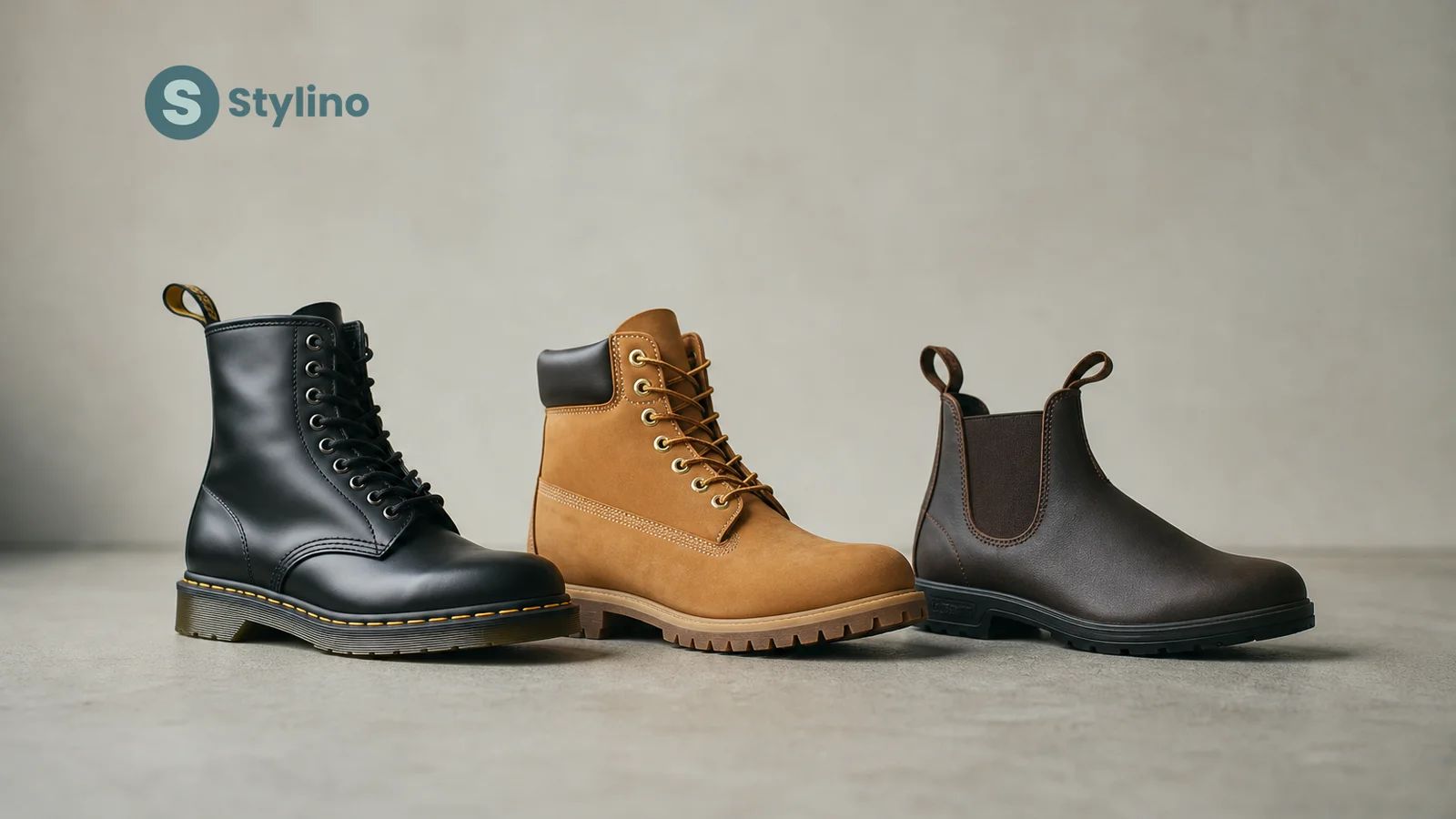
Dr. Martens vs Timberland vs Blundstone: Which Boot to Choose?
Three boots. Three completely different reasons to exist. Dr. Martens started as a German doctor's air-cushioned sole in 1945 and became punk's uniform. Timberland built its name on waterproof construction for northeast American winters. Blundstone has been making pull-on work boots in Tasmania since 1870.
All three end up in the same conversation whenever someone decides they need a proper pair of boots. And all three ship to Cyprus through retailers tracked on Stylino, which makes the comparison practical rather than theoretical.
The right choice depends on what you actually need: style, weather protection, or pure daily convenience. Here's how they stack up across the things that matter.
Brand Overview: Style Icon vs Outdoor Workhorse vs Everyday Comfort
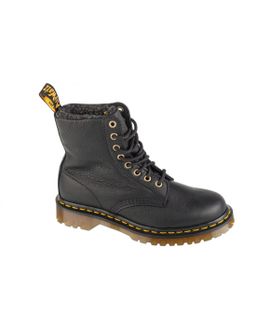
Dr. Martens is the style brand. The 1460 eight-eyelet boot launched on April 1, 1960, and its yellow welt stitching, AirWair bouncing sole, and grooved tread have barely changed since. DMs crossed from work boots to punk uniform to fashion staple across six decades. According to Dr. Martens PLC, the brand's identity is rooted in "self-expression" and subcultural adoption. You buy DMs because of how they look and what they signal.
Timberland is the weather brand. The original 6-inch Premium boot (1973) introduced waterproof full-grain leather with sealed seams to the consumer market. Anti-fatigue insoles and rubber lug outsoles handle traction on wet, uneven terrain. You buy Timberlands because conditions require them.
Blundstone is the convenience brand. Founded in Hobart, Tasmania, the Chelsea-style pull-on boot requires zero break-in, weighs roughly 30% less than a DM 1460, and slips on without touching a lace. As Worn & Wound noted in their comparison, Blundstone's appeal is "utilitarian comfort without ceremony."
Head-to-Head Comparison
| Feature | Dr. Martens (1460) | Timberland (6-inch Premium) | Blundstone (Classic 550) |
|---|---|---|---|
| Construction | Goodyear welt, heat-sealed | Cemented + waterproof membrane | Injection-moulded sole |
| Weight (single boot) | ~630g | ~770g | ~450g |
| Break-in period | 1–3 weeks | Minimal | None |
| Waterproofing | Water-resistant only | Full waterproof | Water-resistant |
| Resoleable | Yes (traditional cobblers) | Limited | No (sealed unit) |
| Closure | 8-eyelet lace-up | 6-eyelet lace-up | Pull-on (elastic panels) |
| Sole technology | AirWair air-cushioned | Anti-fatigue removable insole | XRD® shock protection |
| Style heritage | Punk, goth, grunge, fashion | Outdoor, hip-hop, workwear | Australian workwear, casual |
Best for Style: Dr. Martens Boots
Nothing else on this list has sixty years of subcultural weight working in its favour. Dr. Martens boots read as intentional in a way that Timberlands and Blundstones don't. A pair of 1460s with a floral dress says something. A pair of Blundstones with the same dress just says "comfortable shoes."
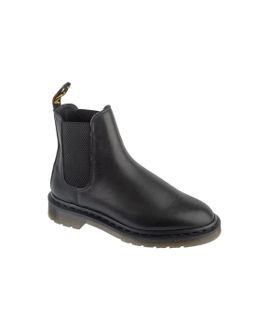
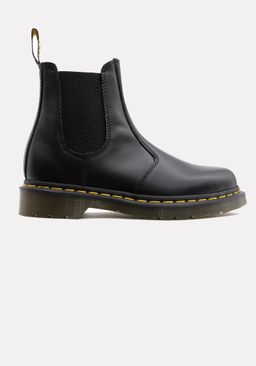
The range matters too. Dr. Martens offers the 1460 (classic boot), Jadon (platform), 2976 Chelsea, 1461 Oxford, Adrian loafer, and Blaire sandal. You can dress up, dress down, and adapt across seasons without leaving the brand. On Stylino, over 180 Dr. Martens products are tracked from five retailers that ship to Cyprus.
The trade-off: DMs demand a break-in period. New Smooth leather 1460s will punish your heels for a week or two before they mould to your foot.
Best for Weather: Timberland
If you're hiking Troodos in February or walking through genuine rain on genuine mud, Timberland wins this category without contest. Full waterproof construction means sealed seams and a membrane that blocks water completely. Dr. Martens are water-resistant at best. Blundstones handle puddles but not prolonged exposure.
Timberland's anti-fatigue insole technology also makes a real difference on long walks over uneven terrain. This is a boot designed for physical work and outdoor conditions, which is why construction workers and hikers adopted it long before anyone cared about street style.
The trade-off: Timberlands are heavy. At roughly 770g per boot versus 630g for a DM and 450g for a Blundstone, your feet notice it by mid-afternoon. The aesthetic is also narrower. A 6-inch Premium boot pairs well with outdoor gear and certain streetwear combinations, but it fights formal or feminine outfits. As Trails and Freedom put it, "Timberland is purpose-built; Dr. Martens is culture-built."
Best for Everyday Comfort: Blundstone
Blundstones are the boot you grab without thinking. No laces to tie, no break-in to endure, lightweight enough that you forget you're wearing boots by lunchtime. The elastic side panels stretch to accommodate your foot and spring back for a snug fit. They're ready from day one.
The Classic 550 weighs around 450g per boot. I've watched a friend in Limassol wear the same pair of 550s for four years of daily use, including summers, and the soles barely show wear. That kind of durability per gram is hard to match.
The trade-off: Blundstones are visually understated to the point of anonymity. Nobody will compliment your Blundstones. Nobody will notice them. If footwear is part of how you express yourself, these boots won't contribute much. They're also not resoleable. When the injection-moulded sole wears through, the boot is done. DMs with their Goodyear welt can be resoled by any traditional cobbler, which extends usable life by years.
Which Boot for the Cyprus Climate?
Cyprus gets roughly 300 days of sunshine per year. Winters are mild. Rain comes in short bursts between November and March, and temperatures rarely drop below 5°C at sea level.
That climate profile makes full waterproof boots unnecessary for most daily wear. Timberlands earn their keep on mountain trails, but for walking around Limassol, Larnaca, or Nicosia, they're simply too much boot.
Dr. Martens handle the mild winter well. The leather resists light rain, the AirWair sole grips pavement, and when temperatures climb you can switch to DMs sandals (Blaire, Voss, Jorge) or the Adrian loafer. One brand covers October through September if you own two or three models. Browse women's options or men's options on Stylino.
Blundstones work well in transitional weather and the brief cool stretch from December to February. They're particularly good for anyone who walks a lot, since zero break-in and low weight reduce fatigue across a full day. But Blundstone doesn't make sandals or summer shoes, so you'll need a separate brand for June through September.
For year-round coverage with delivery to Cyprus, Dr. Martens wins by range alone.
Price Comparison: What You'll Actually Pay
All three brands sit in a similar bracket globally, though actual prices vary by model and retailer. As Pat Menzies Shoes noted in their three-way comparison, "price alone won't decide this one."
On Stylino, Dr. Martens boots currently range from €69 (kids' models) to €230 for premium women's styles. The men's 1460 sits around €147 at its lowest from Silenzio, compared to a retail price of €210. The Graeme Chelsea boot is roughly €195 via Mybrand.shoes.
Timberland's 6-inch Premium typically runs €150–€250 depending on colourway and retailer. Blundstone's Classic 550 lands around €180–€200 in European markets.
The cost-per-year calculation is where things get interesting. Blundstones can last 4–5 years of daily wear. Dr. Martens, with resoling, can last a decade. Timberlands fall somewhere between, depending on how aggressively you use the waterproofing.
The Verdict: Match the Boot to Your Life
There's no universal winner here. The right boot depends on what you need from it.
Choose Dr. Martens if personal style matters, you want a range spanning boots, loafers, and sandals, and you don't mind investing two weeks of break-in. The 1460 boot guide covers everything about the classic model.
Choose Timberland if you spend real time outdoors, need waterproofing that actually works, or regularly face wet and muddy conditions.
Choose Blundstone if you want zero-fuss comfort, hate laces, and care more about function than fashion. They're the boot equivalent of a good plain white T-shirt: nobody notices, and that's the point.
Explore Dr. Martens Boots on Stylino
Stylino tracks over 180 Dr. Martens products from five retailers that ship to Cyprus, with prices often well below official drmartens.com retail. Whether you're after the iconic 1460, a Chelsea 2976, or an Adrian loafer, compare all Dr. Martens prices on Stylino →
New to the brand? Start with our Cyprus buying guide for retailer details, shipping info, and entry-point recommendations.
Frequently Asked Questions
Which boot lasts the longest?
Dr. Martens with Goodyear welt construction can be resoled, extending their life to 10+ years with proper care. Blundstones last 4–5 years of daily wear but can't be resoled once the injection-moulded unit wears through. Timberland's lifespan depends on use: heavy outdoor conditions wear them faster, but the waterproof membrane stays effective for years.
Which is the most comfortable out of the box?
Blundstone, without question. Zero break-in and XRD® shock-protection insoles that work from day one. Timberland's anti-fatigue insole is also comfortable immediately. Dr. Martens Smooth leather models need 1–3 weeks of break-in, though Pascal and Virginia leather versions are softer from the start.
Which boot is best for hot weather?
None of these three are designed for summer heat. Dr. Martens offers sandals (Blaire, Voss, Jorge) that carry the brand's chunky aesthetic without enclosing the foot. Timberland and Blundstone don't have comparable summer options. For Cyprus between June and September, DMs sandals or the Adrian loafer are the practical choice.
Are Dr. Martens waterproof?
No. Dr. Martens are water-resistant: they'll handle light rain and puddles, but prolonged exposure lets water through the stitching. For genuine waterproofing, Timberland's sealed-seam construction is the better option. Applying Wonder Balsam improves DMs' water resistance, but they'll never match a dedicated waterproof boot.
Which boot has the best resale value?
Dr. Martens, especially limited editions and collaborations. The brand's cultural status keeps secondhand prices relatively strong. Blundstones hold some value due to durability, but there's less collector demand. Timberlands depreciate faster on the resale market unless they're rare colourways.